Keep Your HVAC System Ready This Season
Preparing Your HVAC System for Extreme Seasonal Temperature Swings
Why Clean Filters Prevent Emergency Calls Before Winter
Park Hills sits in Missouri’s lead belt, where autumn temperatures can plunge twenty degrees overnight and spring storms arrive with little warning. When your heating system fires up after months of dormancy, clogged filters and restricted airflow turn minor inefficiencies into costly breakdowns. A dirty filter forces your blower motor to work harder, driving up energy bills and shortening equipment life.
Start by inspecting every return vent in your home. Dust accumulation around grilles signals restricted airflow, a common issue in older homes throughout St. Francois County where settled dirt from unpaved roads and seasonal pollen create heavy particulate loads. Replace disposable filters or clean reusable ones according to manufacturer specifications. Standard one-inch filters need monthly replacement during peak heating and cooling months, while thicker pleated models can last up to three months under normal conditions.
Check your ductwork for visible gaps, disconnected sections, or crushed flex ducts in crawl spaces and attics. Leaky ducts waste conditioned air before it reaches living spaces, forcing your system to run longer cycles. Sealing accessible joints with mastic or metal-backed tape improves efficiency immediately. For homes with extensive ductwork issues, a professional ductwork service evaluation identifies hidden leaks and ensures balanced airflow throughout your home.
Inspect your indoor blower compartment if accessible. Dust buildup on blower wheels reduces airflow and creates noise. A clean blower delivers consistent air volume, keeping temperatures stable when outdoor conditions shift rapidly.
Exterior Unit Care That Extends System Lifespan
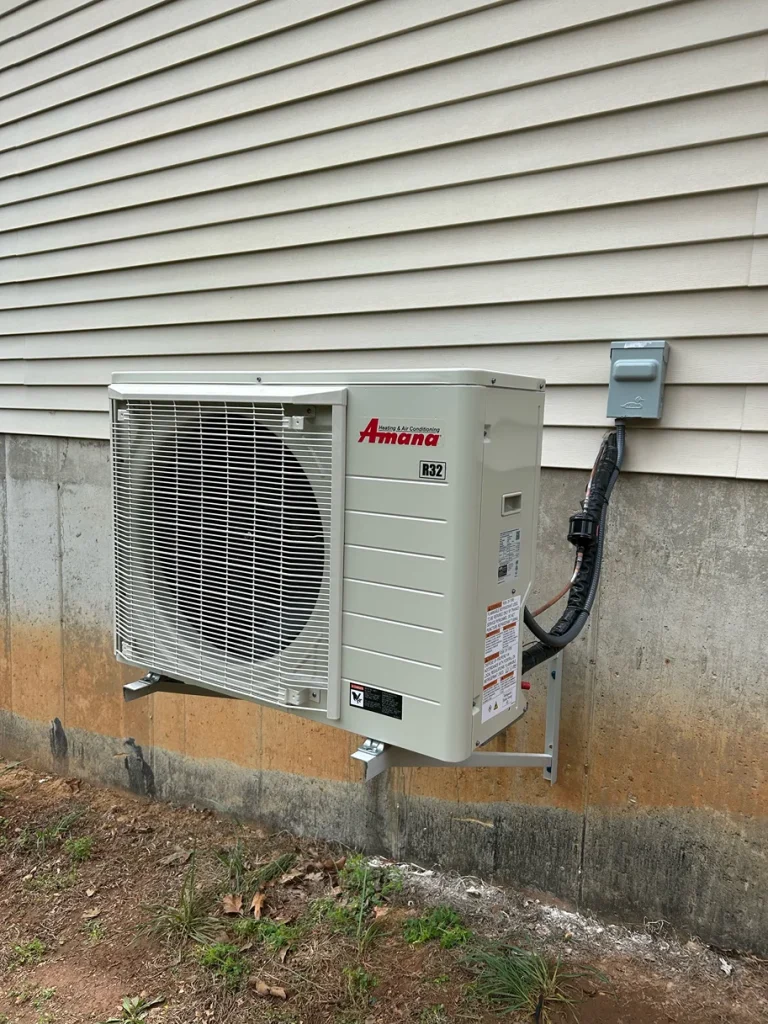
Missouri’s freeze-thaw cycles leave outdoor condenser units vulnerable to debris accumulation and coil damage. Leaves from oak and maple trees common in Park Hills neighborhoods pack into fin spaces during autumn storms, blocking airflow and reducing heat transfer efficiency. Before temperatures drop, clear a two-foot perimeter around your condenser. Remove leaves, grass clippings, and seed pods that settle against the unit.
Inspect condenser coils by looking through the metal fins. Dirt, cottonwood seeds, and pollen create an insulating layer that prevents proper heat exchange. Gently spray coils from inside the unit outward using a garden hose on low pressure. High-pressure washers bend delicate aluminum fins, worsening airflow restrictions. If coils remain clogged after rinsing, schedule HVAC maintenance to ensure thorough cleaning without damaging components.
Check the concrete pad beneath your unit. Settling soil and erosion cause pads to tilt, stressing refrigerant lines and creating drainage problems. A level unit operates more quietly and drains condensate properly. Shim tilted pads with composite shims rated for outdoor use, avoiding wood that rots in Missouri’s humid climate.
Trim vegetation and redirect downspouts away from your condenser. Constant moisture exposure accelerates rust on cabinets and electrical components. Spring rains in the Park Hills area can saturate ground around units, creating standing water that damages control boards and contactors. Proper drainage extends equipment life and prevents mid-season failures when you need cooling most.
Smart Temperature Control Cuts Utility Costs Year-Round
Thermostats lose calibration over time, triggering heating and cooling cycles at incorrect temperatures. A thermostat reading two degrees low runs your furnace longer than necessary, while a high reading leaves rooms cold during February nights when Park Hills temperatures routinely drop into the teens. Test calibration by placing an accurate thermometer beside your thermostat. Wait thirty minutes for readings to stabilize, then compare. Differences greater than one degree warrant adjustment or replacement.
Programmable and smart thermostats reduce energy waste during extreme temperature swings by adjusting setpoints based on occupancy. Program heating to reduce overnight temperatures by five to eight degrees, then warm the house an hour before you wake. In summer, raise cooling setpoints during work hours and restore comfort before you return home. These strategies prevent your system from battling outdoor extremes when rooms sit empty.
Location matters for accurate temperature control. Thermostats mounted near exterior doors, windows, or supply vents read skewed temperatures that trigger unnecessary cycles. Homes built in the 1960s and 1970s throughout the Farmington and Park Hills area often have thermostats in hallways with poor air circulation, creating hot and cold spots in living areas. Relocating a thermostat to a central interior wall improves comfort and system efficiency. Thermostat installation services ensure proper placement and wiring for optimal performance.
Smart thermostats learn your schedule and adjust automatically, but they require stable Wi-Fi connections. If your router sits far from your HVAC system, weak signals cause connectivity issues that prevent remote adjustments. Position routers centrally or add a mesh network node near your thermostat for consistent control.
Insulation Gaps and Duct Leaks Waste Half Your Energy
Furnaces idle through Missouri summers, collecting dust on burners and ignition components. When October temperatures force the first heating cycle, dirty igniters fail to light or create delayed ignition that stresses heat exchangers. Before heating season begins, turn your thermostat to heat mode and listen as your furnace starts. Ignition should occur within seconds, followed by smooth burner operation and warm airflow within two minutes.
Watch burner flames through the observation window if your furnace has one. Steady blue flames indicate proper combustion. Yellow or flickering flames signal incomplete combustion, often caused by restricted airflow or burner misalignment. These conditions produce carbon monoxide and reduce heating efficiency. If you observe abnormal flames, shut down your system and schedule heating system repair immediately. Carbon monoxide detectors should be installed on every level of your home, with batteries tested monthly.
Heat exchangers develop cracks over time, especially in furnaces older than fifteen years. Cracked exchangers allow combustion gases to mix with household air, creating serious health risks. Visual inspection requires removing panels and using a flashlight to examine exchanger surfaces for rust, warping, or visible cracks. Many homeowners in the Park Hills area have furnaces installed in the late 1990s or early 2000s that are nearing the end of their safe service life. If your furnace shows signs of exchanger failure, residential HVAC installation provides modern, efficient heating with improved safety features.
Check your flue pipe for proper venting. Disconnected or corroded flue pipes vent combustion gases into living spaces instead of outdoors. Missouri’s temperature swings create condensation inside metal flue pipes, accelerating rust in older systems. Ensure flue connections are secure and pipes slope upward toward the chimney or vent termination. Proper venting protects your family and ensures your furnace operates efficiently throughout winter.
Scheduling Preventative Maintenance Before Peak Demand
Older homes in Park Hills and surrounding areas often hide undersized or poorly sealed ductwork that forces heating and cooling systems to work overtime during temperature extremes. When ducts leak conditioned air into crawlspaces or unfinished attics, your furnace or air conditioner runs longer cycles to maintain setpoint temperatures, driving up monthly utility bills without improving comfort. Missouri’s humidity adds another layer of complexity: unsealed ducts pull moisture into the system during summer months, promoting mold growth and degrading indoor air quality. During winter cold snaps that drop below freezing for days at a time, the same leaks allow frigid air to enter supply lines, chilling rooms farthest from your furnace.
Duct inspection identifies separation at joints, crushed flex runs behind walls, and missing insulation around trunk lines. These issues compound when temperatures swing rapidly between seasons, because thermal expansion and contraction widen existing gaps. A thorough ductwork service appointment includes pressure testing to measure leakage rates and thermal imaging to pinpoint hidden breaches. Sealing disconnected joints with mastic and adding insulation to exposed runs reduces energy waste immediately, often cutting heating and cooling costs by fifteen to twenty percent within the first billing cycle.
Homeowners who schedule duct sealing before seasonal extremes arrive report fewer hot and cold spots, quieter operation, and improved air filtration. Sealing ductwork also protects your investment in high-efficiency equipment: even a premium furnace or air conditioner loses performance when connected to a leaky distribution network. Addressing ductwork integrity alongside filter changes and thermostat calibration creates a complete preparation strategy that keeps your system running efficiently through Missouri’s unpredictable weather patterns.